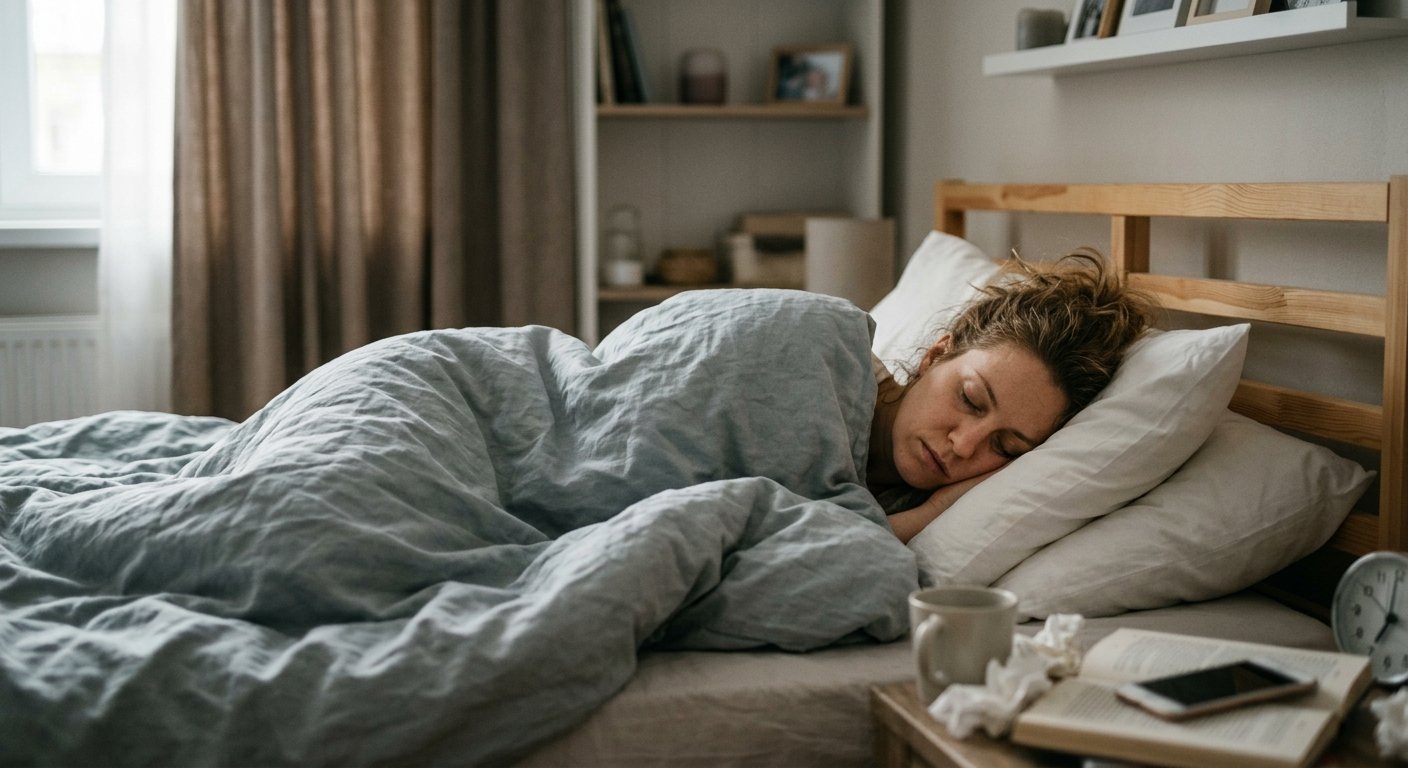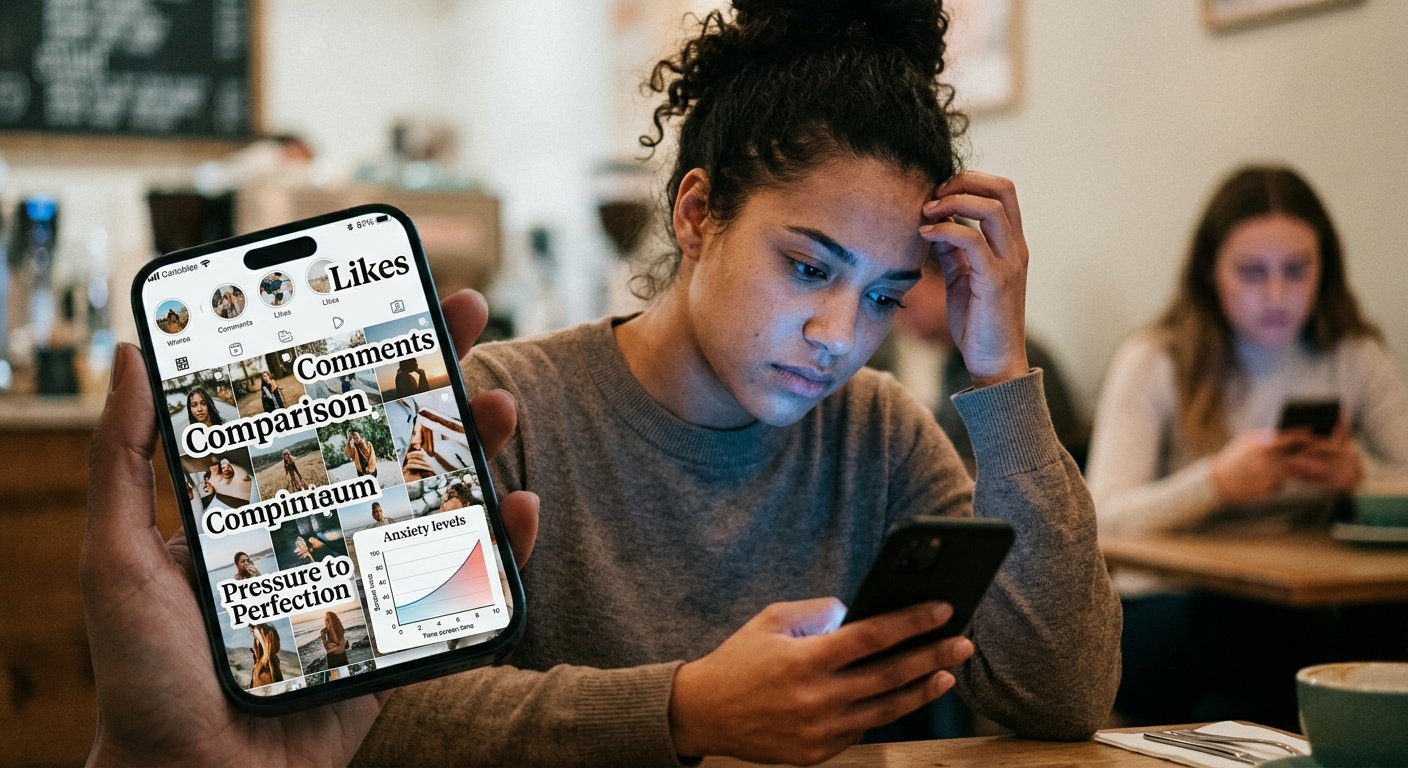
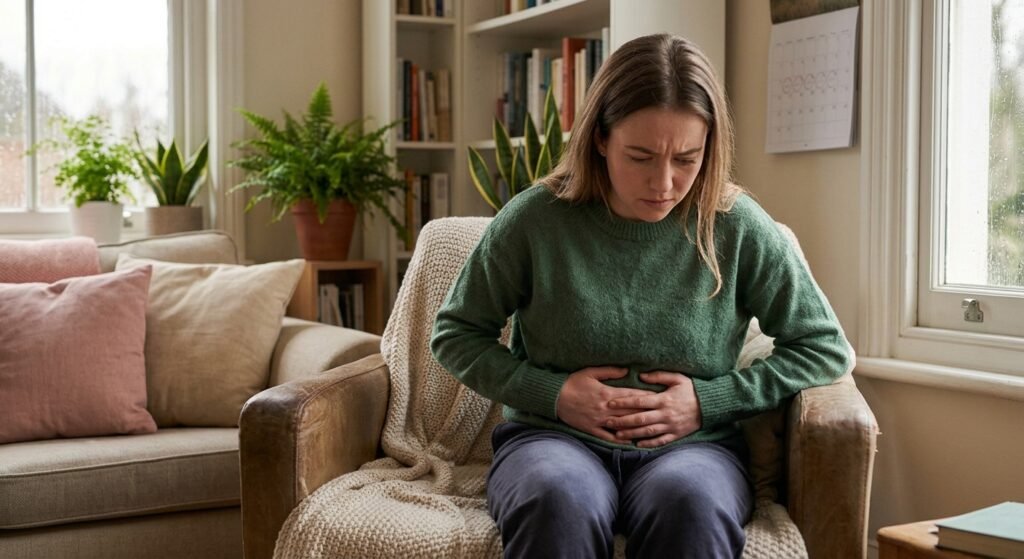
Suddenly, your heart begins to race, your brain feels like it’s being squeezed, your thoughts become gloomy, and you simply don’t feel right. There could be a specific cause for the worry, or it could just be a general feeling of doom. Anxiety before periods can feel different, and unlike generalized anxiety disorder, this prickly sensation appears to begin the week or two prior to your menstruation.
No, you are not losing control; rather, you are going through a typical anxiety spike brought on by hormonal changes. Hormonal changes can occasionally result in premenstrual syndrome (PMS) or even premenstrual dysphoric disorder (PMDD). Roughly 85 percent of menstruating women report having one or more premenstrual symptoms, and 2 to 10 percent report disabling, incapacitating symptoms.
Why Do I Experience Anxiety Prior to Menstruation?
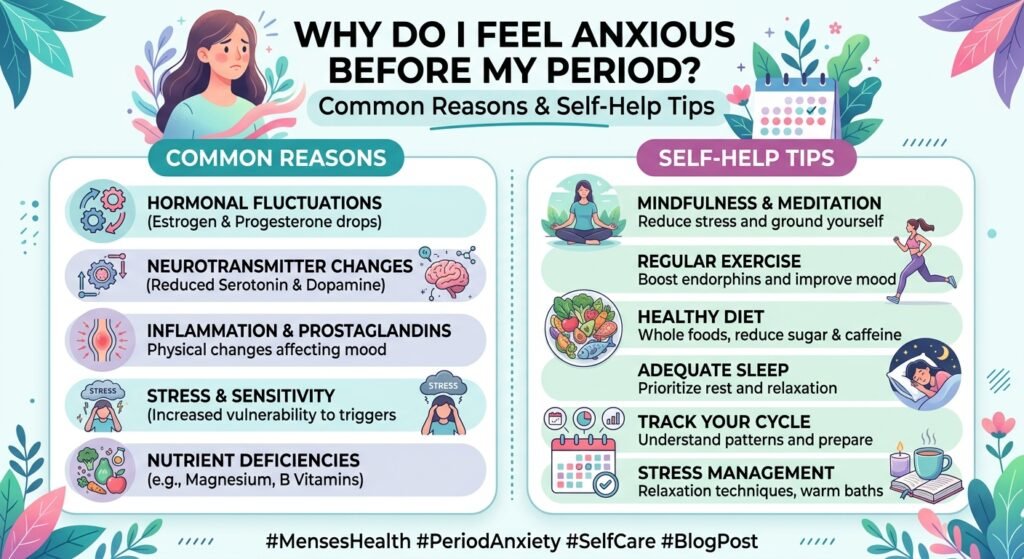
After ovulation, during the luteal phase of the menstrual cycle, anxiety may rise. Progesterone and estrogen levels fluctuate during this period and decrease prior to the onset of menstruation.
Premenstrual anxiety is not always caused by a single hormone, while these alterations may have an impact on mood-related brain systems.
Stress, insomnia, cramping, or an underlying anxiety issue can all contribute to high anxiety during the luteal phase. Normal hormonal fluctuations seem to affect some people more than others. This may help to explain why symptoms differ from cycle to cycle and between individuals.
Symptoms and Timing of Premenstrual Anxiety
Before their period, symptoms could start a few days or even two weeks in advance. Worry, mood swings, anger, depression, stress, difficulty concentrating, and feeling overburdened are typical emotional symptoms.
Fatigue, headaches, bloating, breast tenderness, cramps, changes in appetite, and difficulty sleeping are examples of physical symptoms.
Increased anxiety prior to menstruation becomes more problematic when it interferes with daily tasks, relationships, employment, education, or sleep.
Anxiety disorders, depression, or other conditions may be indicated by symptoms that persist throughout the month. Physical symptoms that are new, severe, or chronic should be evaluated by a doctor.
Is It Normal to Feel Anxiety Before a Period Cycle?
Anxiety is normal for some women. Before their period, a lot of women experience mood swings or other changes. It’s not always worry; it might also be mood swings, increased anger, or sadness. Or you might not feel any different at all. Just 3 to 8 percent of women will have mood swings that significantly interfere with their menstrual cycle.
Are PMS and PMDD Associated with Anxiety?
A premenstrual flare-up of anxiety symptoms may occur in certain women with anxiety issues. Additionally, there may be a connection between anxiety and PMS because some of the variables that predict anxiety-related issues also predict PMS.
She goes on to say that in addition to other physical symptoms, including exhaustion, hunger, and sleep disturbances, a diagnosis of PMDD requires one or more of the following psychological symptoms: mood swings, sad mood, hormonal change, anxiety, or irritability. These symptoms must also be severe enough to cause substantial discomfort or impairment and must occur during the majority of menstrual cycles.
Monitoring and Assessing Symptoms
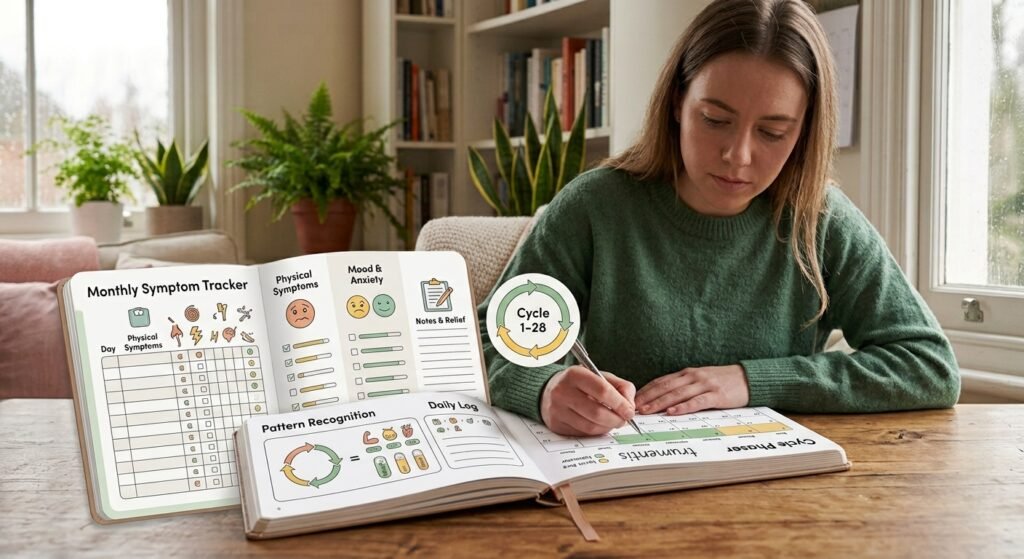
It is possible to determine whether anxiety has a regular menstrual pattern by measuring it every day. Mood, anxiety, sleep, physical symptoms, bleeding, stress, and any impact on day-to-day activities should all be noted. Comparing patterns is made simpler by using the same rating system every day.
Daily tracking over a minimum of two menstrual cycles is a common component of PMDD assessment.
A doctor looks for symptoms that manifest prior to menstruation, get better after it begins, and stay mild throughout the remainder of the cycle. Additionally, tracking aids in distinguishing PMDD from PME, or anxiety that persists throughout the month.
Manage premenstrual dysphoria or anxiety.
You might think about evaluating your circumstances and identifying potential lifestyle modifications if you’re experiencing anxiety before periods or worsening anxiety disorder symptoms prior to your period.
Six practical methods for controlling anxiety prior to menstruation
Here are some scientifically recommended methods to help you have a better quality of life while you go through premenstrual stages in the future.
1. To manage your mood swings, take a break.
It’s possible that you can’t take a vacation from your job or other commitments. On the other hand, a better overall premenstrual experience could come from making mental and physical rest a priority. Resting, reading, taking care of yourself, and letting yourself unwind as much as you can are some hobbies and pastimes to think about at this time.
2. Keep a Consistent Sleep Schedule
Your body and mind can better handle worry before your period if you get enough good sleep. Even on the weekends, make an effort to wake up and go to bed at the same time every day. Aim for seven to nine hours of sleep, and stay away from electronics and caffeine right before bed. Maintaining a regular sleep schedule may help you feel happier, feel less stressed, and control premenstrual anxiety.
3. For anxiousness, practice meditation

Developing a practice of breathwork and meditation can help lessen the symptoms of anxiety disorders and other mental health issues and anxiety before periods that may be triggered by your menstrual cycle. Closing your eyes and concentrating on your breathing, even for a short while, can be an easy way to start. By doing this, you can intentionally give yourself the chance to shift your attention away from discomfort while embracing an attitude of acceptance and mindfulness.
4. Developing Your Long-Term Plan
While short-term solutions are excellent for treating acute anxiety, developing long-term resilience is what really makes a difference. This entails taking care of your neurological system not just when symptoms appear but throughout your whole cycle.
Sleep is crucial for managing anxiety, but during PMS, it becomes even more crucial. Prioritize getting seven to nine hours of good sleep if you can only make one change. Even minor changes in sleep hygiene can have a significant impact, but I understand that it’s easier said than done when your mind is racing.
5. Proceeding
The ability to control PMS anxiety gets better with experience. It’s common for some months to be easier than others. The secret is to develop a toolkit of tactics that work for you and to be patient with yourself while you determine what works best.
Start with the one or two methods that seem most feasible to you at the moment. Perhaps it’s concentrating on getting better sleep during your luteal phase, or perhaps it’s the 5-4-3-2-1 grounding technique for acute anxiety. Implementing everything at once is not necessary.
6. Aerobic Activity for Anxiety Before Periods
According to research, PMS symptoms are less severe in people who exercise regularly throughout the month. Frequent exercisers are less likely than the overall population to experience behavioral and emotional problems, such as anxiety, depression, and difficulty focusing. Painful physical symptoms may also be lessened by exercise.
7. Steer clear of caffeine.
This stimulant might simulate a panic attack by making your heart race.
8. Monitor your PMS symptoms and menstrual cycle.
You can think about charting your menstrual cycle if you are feeling anxious about it. You can find potential contributing elements and mitigation techniques by knowing when symptoms begin and end. Some people may decide to chart their cycles using an app, a calendar, or a journal. Additionally, your clinician’s diagnostic procedure might benefit from this information.
Drugs and Treatments for Menstrual-Related Anxiety
See your doctor about prescription drugs if self-care is ineffective.
Supplements That Are Effective
Since everyone is different, I’m always wary of supplement advice; however, there are some that have strong evidence for treating anxiety. Probably the most beneficial is magnesium, which can aid with anxiety and sleep, and many women are already lacking in it. Start with 200–400 mg per day, but if you have a history of upset stomachs, start with a lesser dose.
Before beginning supplementation, always with your doctor, particularly if you are taking any drugs.
Hormonal Birth Control
Women whose irritability is primarily premenstrual may find the pill, ring, or patch helpful. Hormonal birth control may have a negative impact on the mood of women whose anxiety or irritability is unrelated to their menstrual cycle.
Cognitive behavioral therapy (CBT)
Cognitive behavioral therapy (CBT) is a type of psychotherapy that helps you control anxious sensations and replace negative ideas.
In conclusion
It’s normal to feel nervous before your period, which might be caused by hormonal fluctuations, stress, insufficient sleep, or other things. Healthy practices like regular exercise, adequate sleep, relaxation techniques, and limiting coffee can help control these sensations, even if you might not be able to totally prevent them. Speaking with a medical or mental health expert can help you find the correct support if your anxiety is severe, occurs once a month, or begins to interfere with your day-to-day activities.
FAQs
1. Is feeling nervous before my period normal?
Yes, it’s normal to feel more nervous, emotional, or agitated prior to your period. These mood swings could be caused by hormonal changes that occur during the menstrual cycle.
2. How many days can anxiety begin before my period?
Anxiety normally goes away when your period starts or soon after; however, it may begin a few days before. Depending on the individual, the timing may change.
3. How can I feel less nervous before my period?
Frequent exercise, restful sleep, a healthy diet, relaxation methods, and caffeine restriction may all be beneficial. You can also learn about your monthly cycle by keeping track of your symptoms.
4. Is anxiety a result of PMS?
Indeed. One of the emotional signs of PMS is anxiety. PMDD may be the cause of significant symptoms that interfere with day-to-day functioning.
5. When should I get treatment for anxiety before my period?
If your anxiety is significant, occurs frequently before your period, interferes with daily activities or relationships, or does not go away after your period begins, you should think about getting professional help.