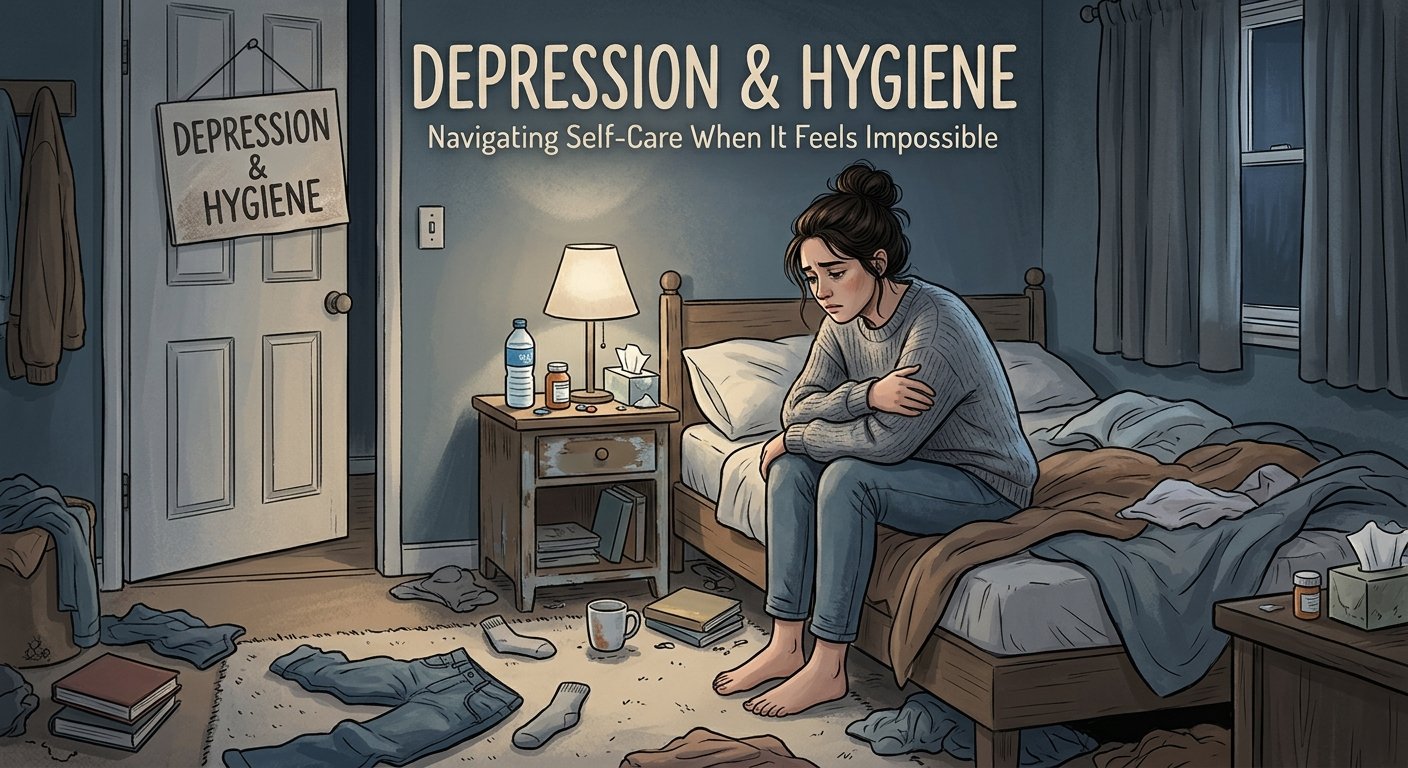

What Is It? Depression is a prevalent and serious mood disorder that causes persistent sadness and a loss of interest in activities you once enjoyed. The signs of depression in women may also affect eating, sleeping, energy levels, and cognitive processes. It’s common to experience sadness or a low mood following challenging life events, such as a breakup or job loss. Depression, however, is different. It typically lasts for at least two weeks, for most of the day, nearly every day, and can significantly affect daily life.
It has an impact on your functioning. Additionally, it may result in major issues like suicidal thoughts and actions. Approximately 30% of adults are diagnosed with this condition at some time in their lives. However, the actual figure can be greater. Many people may not receive a diagnosis because they choose not to seek medical attention for their symptoms. Therapy, medicine, or both can be used to treat depression.
Which Forms of Depression Are Unique To Women?
Depression During Pregnancy
Prenatal depression, which occurs during pregnancy, and postnatal depression, which occurs after childbirth, are both frequent. It’s possible that many women who suffer from these diseases are unaware that they are depressed.
There are a lot of adaptations and changes during pregnancy and the weeks after giving birth. You may have the “baby blues” after giving birth, which can leave you feeling worn out, nervous, or depressed.
“Baby blues” is not the same as postnatal depression, which is far more severe. In addition to the typical signs of sadness, postnatal depression can make you doubt your capacity to care for your child and make it hard for you to feel bonded to them. You could occasionally consider hurting yourself or your child.
Consult your healthcare physician if you believe you may develop prenatal depression. Encourage your partner or someone you care about to get help from their healthcare professional if you believe they are suffering from prenatal depression.
Depression During Perimenopause
Menopause can be a difficult time due to shifting hormone levels. This encompasses signs like
- Unusual times
- Issues with sleeping.
- Variations in mood.
- Hot flashes
- Changes in weight, panic, and anxiety without concentration problems or “brain fog.”
- During perimenopause, women are more likely to experience depression.
- Perimenopausal depression shares certain symptoms with regular depression. But they also involve issues with concentration and memory and paranoid thoughts.
What Are Signs and Symptoms of Depression in Women?
Feeling depressed for a day or two is only one aspect of depression. Major depressive disorder, another name for clinical depression, is characterized by persistent symptoms that interfere with day-to-day functioning for at least two weeks.
Mood and Emotional Symptoms
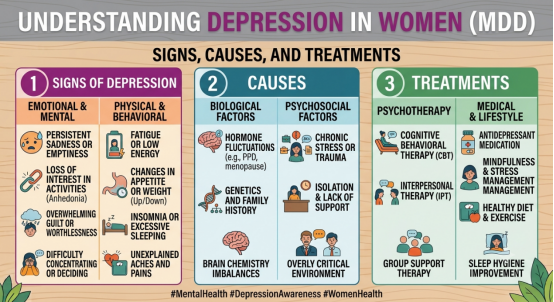
Women who suffer from depression frequently experience overpowering and unavoidable emotional feelings. You may encounter different signs of depression in women:
- Persistent melancholy is a burdensome emotion that won’t go away.
- A profound sense of despair over the future.
- Feelings of overwhelming guilt or worthlessness An increase in irritation or annoyance over little issues Emotional emptiness or numbness Loss of enjoyment or interest in once-enjoyed activities.
- Instead of arriving and disappearing rapidly, these emotions last for the most of the day, almost every day.
Physical Symptoms
Your body is just as affected by depression as your thoughts. Among the physical manifestations are:
- Persistent exhaustion or low energy, even after resting.
- Sleep problems, such as excessive sleep or insomnia.
- Significant changes in appetite that result in weight gain or decrease.
Inexplicable headaches, aches, or discomfort Problems with the stomach or digestion. - Slow speech or gestures that are noticeable to others.
Before realizing the emotional aspects of depression, many women with the condition go to the doctor with medical concerns.
Mental and Cognitive Symptoms
Depression impairs your ability to think clearly and makes mental work seem draining:
- Inability to focus on reading, work, or discussions Problems with memory or forgetfulness.
- Even basic decisions are difficult to make.
- Persistent negative mental patterns Frequent thoughts of suicide or death.
- You may find yourself repeatedly reading the same passage or losing track of your motivation for entering a room.
Social and Behavioral Symptoms
Depression alters how you engage with the outside world:
- Withdrawing from social activities, family, and friends.
- Ignoring obligations at home or at work.
- Frequent episodes of sobbing, sometimes without obvious reasons.
- Decreased output and challenges in finishing assignments.
- Giving up interests or hobbies.
You may stop taking calls from those who are important to you or cancel plans on a regular basis.
Risk Factors and Causes
What is the cause of depression?
There is no one cause of depression. It typically results from a combination of factors, such as changes in brain chemicals, such as dopamine and serotonin, which are involved in mood regulation, that may occur. Genetics: Having a biological family member with depression increases your risk of developing it yourself.
Life experiences: Your mental health may be impacted by stressful situations such as conflict, loss, or lack of support.
Overall health: Your mood may be affected by certain medical problems, drugs, or substance abuse.
Depression is not always preventable. However, you can attempt to lower your risk by maintaining a regular sleep schedule and practicing good stress management. Exercise, yoga, and meditation are examples of self-care practices that can be beneficial.
Risk Variables
You may be more susceptible to depression if you have certain risk factors. For instance, increased rates of depression are linked to the following conditions:
- Cancer
- Persistent discomfort
- Diabetes
Complications

Over time, depression can have an impact on your health and many aspects of your life. Among the potential issues are
- Problems with day-to-day activities, such as self-care, job, or education.
- Relationship issues or social disengagement.
- Reduced standard of living.
- An increased chance of developing other disorders, such as substance abuse or anxiety.
- Deterioration of additional health issues, such as diabetes or heart disease
Psychological and Emotional Impacts
There are different signs of depression in women, which impart psychological and emotional impacts like,
Persistent sadness, hopelessness, and feelings of worthlessness are frequent among women who suffer from depression. In addition to having trouble focusing or making judgments, they may experience irritability, anxiety, or apathy, which can interfere with their personal, professional, and academic lives. Loss of interest in once-enjoyable activities and, in extreme situations, suicidal or self-harming ideas might result from depression.
Physical Impacts
Depression frequently shows up physically as low energy, exhaustion, sleep issues, and changes in appetite. Stress and hormonal changes might cause women to have headaches, bodily aches, or digestive problems.Premenstrual dysphoric disorder (PMDD) and perinatal depression are two illnesses that can be made worse by hormonal changes that occur during menstruation, pregnancy, the postpartum period, and menopause.
Interpersonal and Social Impacts
Depression can damage connections with friends, family, and coworkers, resulting in social disengagement and loneliness. Increased stress can exacerbate depression symptoms in women who are juggling a job, daycare, or single parenting. Parenting and child bonding may also be impacted by the disease, especially in cases of postpartum depression.
Hormonal and Biological Factors
Depression is 1.5–2 times more common in women than in males, in part because of hormonal changes and genetic predispositions. Significant hormonal changes that occur during life phases like puberty, pregnancy, postpartum, and menopause can cause or exacerbate depressive episodes. Mood control is also influenced by abnormalities in neurotransmitters, especially dopamine and serotonin.
How is depression managed?
Your doctor can assist you in creating a mental health treatment plan if you are depressed. This plan will enable you to see a mental health professional, such as a social worker, occupational therapist, or psychologist, for up to ten Medicare-subsidized sessions annually.
When scheduling your visit, inquire about any fees or out-of-pocket expenses. Depending on the type of depression you have, the severity of your symptoms, and other factors, your treatment plan may involve a variety of treatments. Additionally, your doctor will inquire about your preferences, including what treatments or services you would like to try and what you would like not to.
Psychological Interventions
Depression can be treated psychologically in a variety of ways, including
- Cognitive behavioral therapy (CBT).
- Interpersonal therapy (IPT).
- MBCT, or mindfulness-based cognitive treatment.
This may be accomplished through in-person sessions, phone consultations, internet therapy, or a mix of these.
Healthcare
Antidepressant drugs alter the brain’s chemical reactions that influence mood. Their effectiveness typically takes four to six weeks. Many different medicines are used to treat depression. Your doctor will work with you to find the one that is right for you. It can take several weeks for an antidepressant medicine to work, and often your doctor may need to adjust your dose.
You may experience side effects or suicidal thoughts when starting a new antidepressant. Remember to check with your doctor or pharmacist before taking any medicine (prescribed or over the counter) while you are pregnant or breastfeeding.
Electroconvulsive treatment (ECT) involves a brief electrical stimulation of the brain while you are under anesthetic. It is used to treat specific types of depression, including severe depression that has not responded to medicines. While it is generally considered safe, it is only used in severe cases of depression, including during pregnancy, when carefully supervised.
Self-help and Alternative Therapies
A wide range of self-help techniques and alternative or complementary therapies can be used to treat depression either alone or together with other types of therapies.
These techniques are not sufficient to treat all forms of depression. It is important that you build a personal mental health treatment plan with your doctor. Self-help and alternative therapies include:
- Mindfulness and meditation Maintaining a balanced diet and regular exercise
- Steer clear of drugs and alcohol.
- Yoga
- Massage treatment
Your doctor might suggest one of these therapies alone or in conjunction with other forms of treatment if you are depressed.
Conclusion
Signs of depression in women can resemble those of other genders. But rather than expressing rage, women could be more inclined to exhibit melancholy. Additionally, they are less likely than men to turn to substance abuse as a coping mechanism.
Additionally, women who are menstruating or have given birth may experience depression due to certain disorders. These include PMDD and postpartum depression, each of which has a unique set of symptoms. People do not have to deal with depression on their own; it is a treatable illness. Individuals who may be experiencing depressive symptoms might consult a qualified expert for assistance.
Frequently Asked Questions
1. What are the typical signs of depression in women?
Common signs include persistent melancholy, exhaustion, disinterest, altered sleep patterns, and hopelessness.
2. What makes women depressed?
Hormonal changes, genetics, stress, trauma, and certain medical problems can all contribute.
3. How are women treated for depression?
Therapy, medication, lifestyle modifications, or a mix of these methods may be used as treatment.
4. Can hormonal changes trigger depression?
Indeed. Hormonal changes during adolescence, pregnancy, postpartum, and menopause can raise the risk of depression.
5. When should a woman seek help for depression?
It’s critical to get expert assistance if symptoms persist for longer than two weeks or interfere with day-to-day activities.