Hormonal shifts are a natural part of life for women, but the emotional effects they bring can be confusing, overwhelming, and sometimes deeply distressing. Understanding the hormones effects on women and the connection between hormone levels and mental health isn’t just helpful; it’s essential for navigating each life stage with clarity and compassion.
Whether it’s during the menstrual cycle, pregnancy, postpartum, or menopause, changes in hormones like estrogen and progesterone can influence mood, energy, sleep, and emotional resilience. These aren’t just “mood swings” or “bad days”; they’re biologically rooted shifts that deserve thoughtful attention.
The Power of Hormones in Women’s Lives
Glands in the endocrine system create hormones, which are chemical messengers. Numerous body processes, such as development, metabolism, mood, and reproduction, are regulated by them. The most important hormones for women are progesterone, estrogen, and, to a lesser degree, testosterone. Throughout life, these hormones fluctuate, profoundly influencing mental, emotional, and physical well-being.
Hormonal changes are a normal aspect of being a woman, from the onset of puberty to the menopausal transition and beyond. However, these changes have profoundly personal implications even though they are universal. While some women have few symptoms and move through life’s stages with ease, others encounter major difficulties. Knowing what to anticipate, how to control symptoms, and when to get help are all crucial.
Hormone effects on women’s mental health
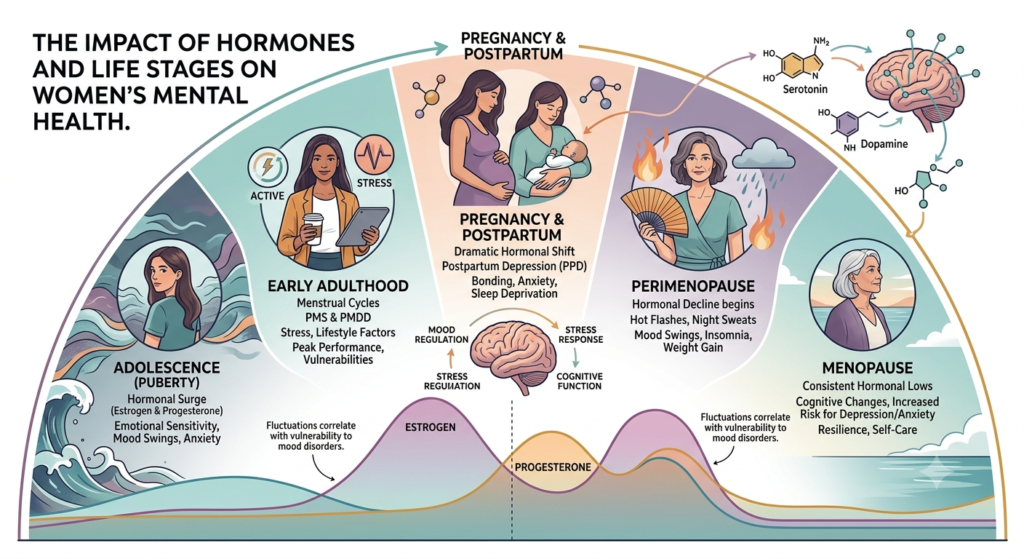
Women encounter numerous difficulties due to hormone-induced changes in their bodies, starting with puberty and extending through pregnancy, menopause, and beyond.
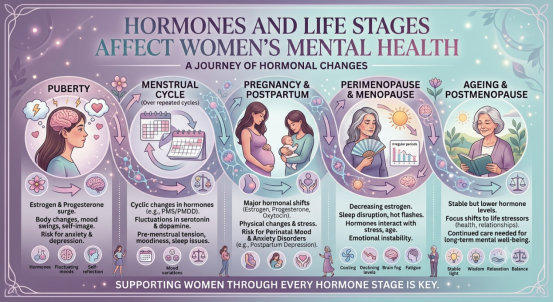
For example, women’s mood and brain function may be impacted by varying levels of progesterone and estrogen during their menstrual cycle. Significant hormonal changes during pregnancy and the postpartum period can cause mental health problems like despair and anxiety.
Changes can also result from declining estrogen levels during menopause, as many women can experience brain fog, memory lapses, anxiety, panic attacks, and mood swings. New phobias and fears are also reported by others. Extreme hormone-related mood swings may lead to a false diagnosis of bipolar illness. These changes highlight just how complex the relationship is between women’s reproductive hormones and their brain chemistry.
Brain Health and Cyclical Hormones
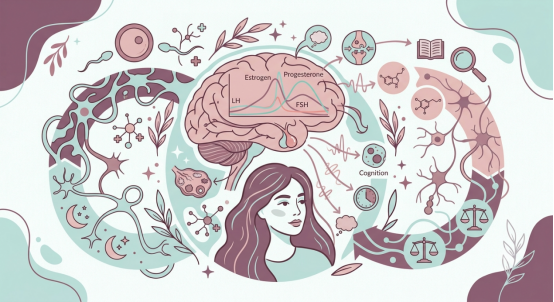
The content of female hormones can increase in a day and change significantly over the course of a month. Women are more susceptible to anxiety, stress, and depression because of these constant changes, particularly throughout adolescence, pregnancy, the postpartum period, and menopause.
Let’s examine a few of the hormones that cause these changes.
Important Hormones and Their Functions
Progesterone: This soothing hormone promotes pregnancy and helps control the menstrual cycle. Additionally, it raises GABA, a neurotransmitter that reduces anxiety and encourages sleep.
Estrogen: The effects of estrogen extend far beyond reproductive health. It increases dopamine and serotonin, enhances mood and memory, and promotes mental clarity.
Testosterone: Despite being referred to as a male hormone, women also need it. It affects confidence, motivation, energy levels, and even spatial reasoning.
Thyroid Hormones: These hormones affect mood, concentration, and mental acuity in addition to controlling your metabolism.
Puberty: The Hormonal Activity
The first significant hormonal turning point in a woman’s life is puberty, which usually starts between the ages of 8 and 13. The body increases its synthesis of progesterone and estrogen during this period, which sets off a series of changes.
Physical Changes: Breast development, body hair growth, and the onset of menstruation are the most obvious indicators of puberty. Rising estrogen levels, which also affect bone growth and body fat distribution, are responsible for these alterations.
Emotional Shifts: Mood swings, heightened emotions, and enhanced sensitivity can result from hormonal surges. As they become used to their evolving bodies and emotions, many girls struggle with worry or bewilderment.
Health Advice for Puberty: Regular exercise helps control mood and energy levels, and a balanced diet high in calcium and vitamin D promotes bone growth. Open discussions about emotional shifts and menstrual health can promote confidence and ease the transition.
Why It Matters: Puberty establishes the foundation for both general health and reproductive health. It’s crucial to keep an eye on development and get medical advice if necessary because early or delayed puberty may indicate underlying health problems.
The Reproductive Years: Variations, Fertility, and Cycles
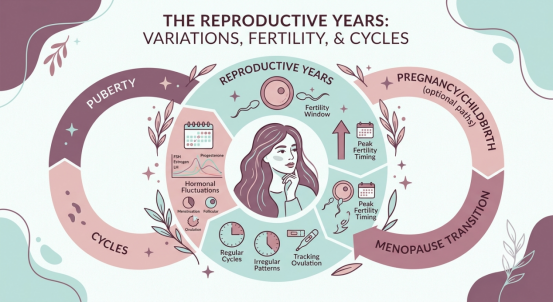
The menstrual cycle, a monthly regularity of hormonal changes that primes the body for pregnancy, defines the reproductive years, which run from the late teens to the early 40s.
The Menstrual Cycle: Progesterone and estrogen levels increase and decrease in a meticulously planned pattern each month. The cycle starts with the follicular phase, during which estrogen promotes uterine lining growth. A spike in luteinizing hormone (LH) causes ovulation. Progesterone levels rise during the luteal phase, readying the body for a possible pregnancy. Menstruation results from a decline in hormone levels in the absence of pregnancy.
Common Symptoms: Mood swings, bloating, and exhaustion are the hallmarks of premenstrual syndrome (PMS), which affects a lot of women. Polycystic ovarian syndrome (PCOS), endometriosis, excessive bleeding, and irregular periods can all be brought on by hormonal abnormalities.
Pregnancy: There are significant hormonal changes throughout pregnancy. Morning sickness, exhaustion, and mood swings are indications of elevated estrogen and progesterone levels, which stimulate embryonic growth. Hormone levels fall after giving birth, which can lead to postpartum depression or the “baby blues.”
Birth Control: To avoid pregnancy, hormonal contraceptives modify the body’s natural hormone cycles. Additionally, they can help treat certain reproductive diseases, acne, and menstruation discomfort.
Health Advice for the Reproductive Years: Monitoring menstrual cycles might reveal trends and anomalies. Maintaining hormonal balance requires controlling stress, eating a diet high in nutrients, and consulting a doctor if symptoms persist.
Which Hormones Have the Biggest Impact on Mental Health?
Although estrogen receives the majority of attention and rightfully so, it’s not the only hormone that influences mood and emotional equilibrium.
Estrogen regulated serotonin, dopamine, and other mood-related molecules. Additionally, it promotes energy, cognitive function, and brain health.
Progesterone has a relaxing effect, while for others, especially during the premenstrual phase, it may enhance irritation or depression.
Cortisol is a primary stress hormone in the body, can affect emotional regulation, and interacts with reproductive hormones.
·Testosterone, although present in smaller amounts in women, influences motivation, energy, and focus.
Thyroid hormones are another important factor. Correct diagnosis is crucial since imbalances here can resemble symptoms of anxiety or depression.
Hormones do not function independently. They affect and react to each other. Many aspects of emotional and mental health might be impacted by changes in one area, such as decreasing estrogen.
What Behavioral Effects Does Estrogen Have on Women?
Emotions, behavior, and cognitive function are all significantly influenced by estrogen. Beyond reproductive health, estrogen increases dopamine and serotonin, which are neurotransmitters that control motivation, mood, and emotional stability.
Many women feel more focused, outgoing, and self-assured when their estrogen levels are greater. Women may suffer irritation, low mood, decreased motivation, or increased stress sensitivity when levels fall, such as before menstruation or during perimenopause. These alterations demonstrate how women’s emotions and daily behavior are affected by hormonal fluctuations.
What Impact Does Estrogen Have on Women’s Behavior?
Estrogen has a major impact on behavior, emotions, and cognitive function. Beyond reproductive health, dopamine and serotonin that regulate motivation, mood, and emotional stability are elevated by estrogen.
When estrogen levels are higher, many women report feeling more confident, focused, and gregarious. When levels drop, such as before menstruation or during perimenopause, women may experience irritability, low mood, diminished motivation, or greater sensitivity to stress. These changes show how hormonal changes impact women’s feelings and day-to-day conduct.
Conclusion
Life phases and hormones affect women’s mental health significantly. Emotions, stress levels, and general well-being can all be impacted by changes that occur during puberty, pregnancy, the postpartum period, and menopause. Even while these changes are a normal part of life, knowing how they affect women can help them identify symptoms early and get the treatment they need. Managing difficulties can be facilitated by upholding healthy routines, engaging in self-care, creating robust support networks, and seeking advice from mental health specialists when necessary. Women may enhance their emotional equilibrium and enjoy happier, more satisfying lives by making mental health a priority at every stage.
Frequently Asked Questions
1. What impact do hormones have on women’s mental health?
Hormonal changes can alter mood, stress levels, emotions, and overall mental well-being.
2. Which life stages affect women’s mental health the most?
Significant emotional changes can occur throughout puberty, pregnancy, the postpartum period, and menopause.
3. Can anxiety or sadness be brought on by hormonal changes?
Indeed. Anxiety, despair, and mood swings may become more likely as a result of hormonal changes.
4. How can women manage hormone-related mood changes?
Regular exercise, healthy eating, good sleep, stress management, and professional support can help.
5. When should women seek help for hormone-related mental health issues?
Seek help if mood changes are severe, persistent, or interfere with daily activities.