Emotional, psychological, and behavioral disorders that impact a person’s thoughts, feelings, functioning, and interpersonal relationships are referred to as mental issues. These include everything from anxiety and stress to mental illnesses with a formal diagnosis.
Even while not all emotional difficulties are caused by mental illnesses, ongoing pain, suffering, or impairment should nonetheless be taken seriously.
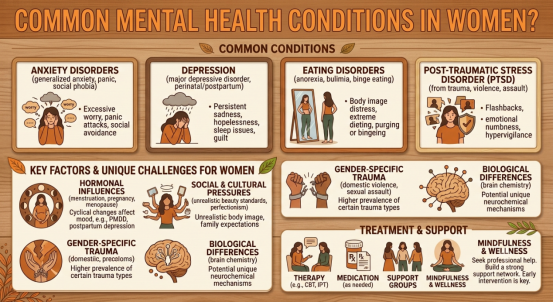
Women are more likely than men to internalize distress, which means that instead of externalizing behaviors like anger or substance abuse, they are more likely to feel stress, anxiety, depression, sadness, and trauma-related symptoms. These all are the most common and well-known women’s mental health issues.
Typical Women’s Mental Health Issues They Face
Women are affected by some conditions more often than males, or in different ways. To receive effective care in a timely manner, it is essential to comprehend these patterns. Accessing specialized care from home is made simpler by services like women’s mental health telepsychiatry.
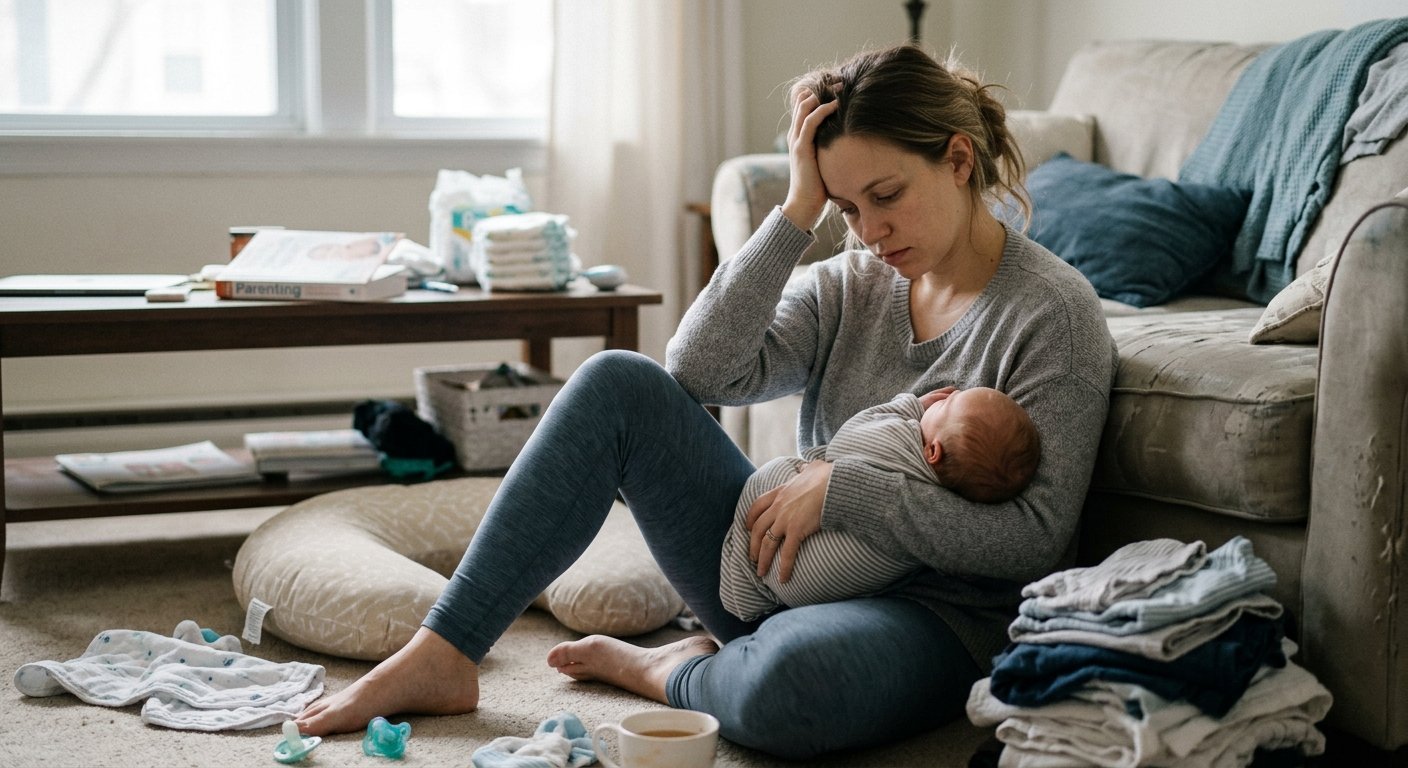
Depression is almost twice as common in women, particularly during hormonal changes like pregnancy or menopause. For new mothers adjusting to emotional changes following childbirth, postpartum depression telepsychiatry provides compassionate, easily available care.
Anxiety Disorders
Women frequently report more severe and frequent anxiety symptoms, ranging from panic attacks or phobias to generalized anxiety, which are occasionally connected to traumatic experiences or social pressures.
Gender-Based Violence and PTSD
PTSD is more common in women who have experienced emotional abuse, domestic violence, or sexual assault. Through women’s mental health telepsychiatry, trauma-informed therapy guarantees support, safety, and trust throughout the healing process.
Disorders of Eating
Women are disproportionately affected by body image issues, which frequently start in adolescence. Anorexia, bulimia, and binge-eating disorder are among the conditions that need both medical and psychological assistance.
Hormone-Related Mood Changes with PMDD
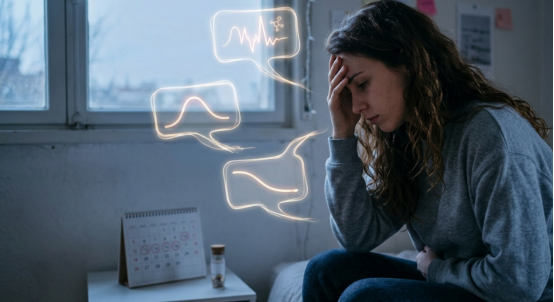
Severe mood swings, irritation, or exhaustion that interfere with day-to-day functioning can be brought on by premenstrual dysphoric disorder (PMDD) and other hormone-related changes.
Personality Disorders
Women are more likely to be labeled with certain personality characteristics, which frequently result from early attachment or trauma.
This encompasses avoidant personality disorder, dependent personality disorder, and borderline personality disorder.
Disorders Associated with Obsessive-Compulsive Behavior
These disorders include obsessive behaviors, intrusive thoughts, or severe distress related to appearance.
This comprises hoarding disorder, body dysmorphic disorder, and obsessive-compulsive disorder.
Sleep Disorders and Their Effects on Mental Health
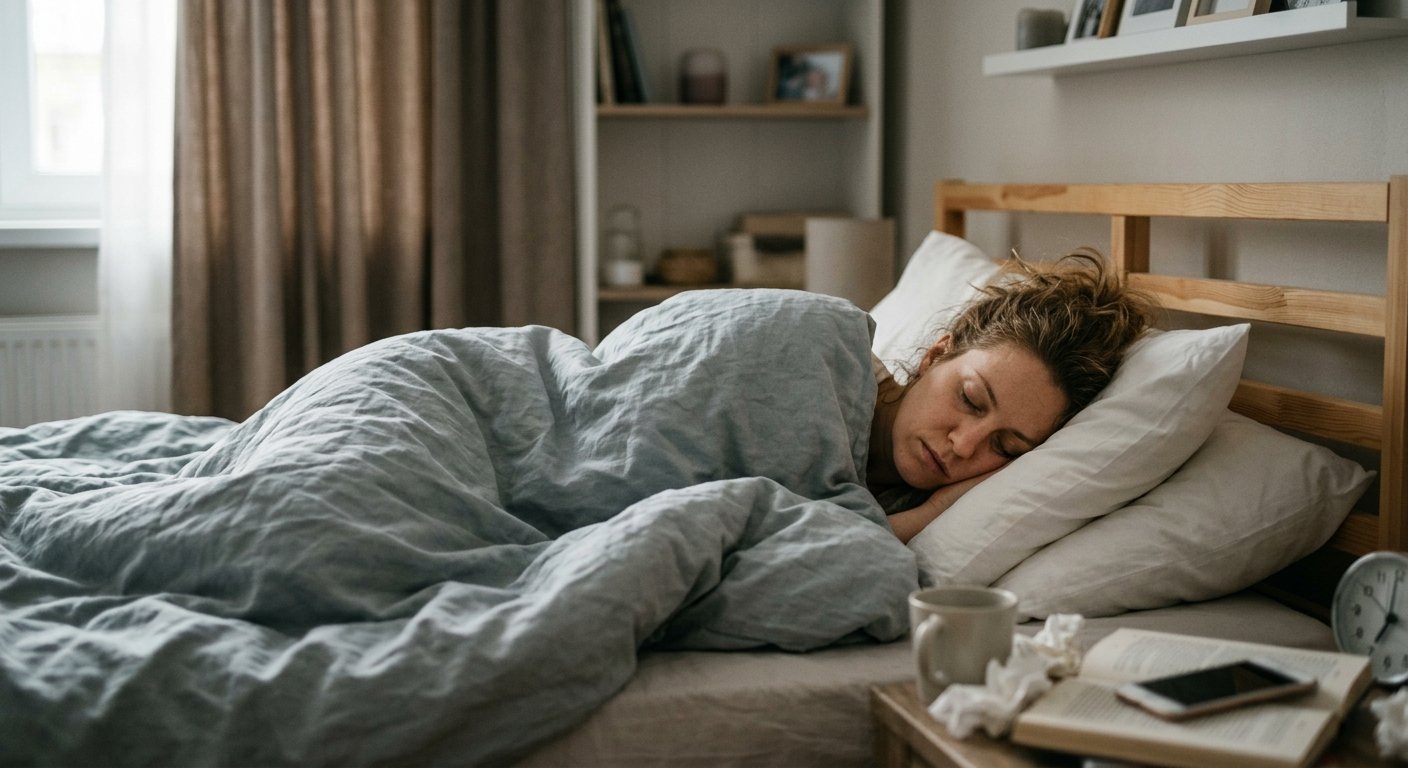
Mental health symptoms are both brought on by and exacerbated by sleep issues.
This includes sleep anxiety, circadian rhythm abnormalities, and persistent insomnia.
Psychosomatic Disorders and Somatic Symptoms
For other women, physical symptoms like pain, exhaustion, or neurological feelings that have no apparent medical cause are the main source of psychological anguish.
Young Adulthood and Adolescence (13–25)
For women, mental health problems can manifest early in life. According to research, three-quarters of lifetime mental problems manifest by the age of 24, with half starting at age 14. Women’s mental health issues are especially pertinent to this age group since young women encounter specific difficulties throughout this period as their brains grow and evolve.
Growing Prevalence of Despair and Anxiety
The data presents a troubling picture of mental illness among women, particularly among young individuals. One in seven teenagers between the ages of 10 and 19 worldwide suffer from mental illnesses. These conditions are more prevalent among young women. About 4.4% of children aged 10 to 14 and 5.5% of those aged 15 to 19 suffer from anxiety disorders. 1.4% and 3.5% of these age groups, respectively, suffer from depression. According to the findings, 26% of young women—nearly three times as many as young men struggle with common mental illnesses. Before puberty, the rates of depression in boys and girls are comparable, but after adolescence, the difference widens significantly.
Eating Disorders and Body Image Issues
At the age of three, children begin to establish opinions regarding physical size. Between the ages of 6 and 12, 40–60% of girls worry about their weight or dread gaining weight, which is a startling statistic. Up to 10% of young women develop eating disorders, and these early concerns can grow into major health problems. One of the most powerful indicators that someone may develop bulimia or anorexia nervosa is a bad body image. These conditions have similar characteristics: A flawed self-image and a fixation with food Low self-esteem combined with great achievement and perfectionism Risky methods of controlling weight, such as restriction, purging, or excessive activity
The Impact of Social Media on the Mental Health of Young Women
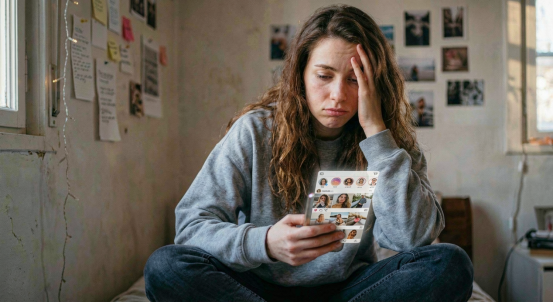
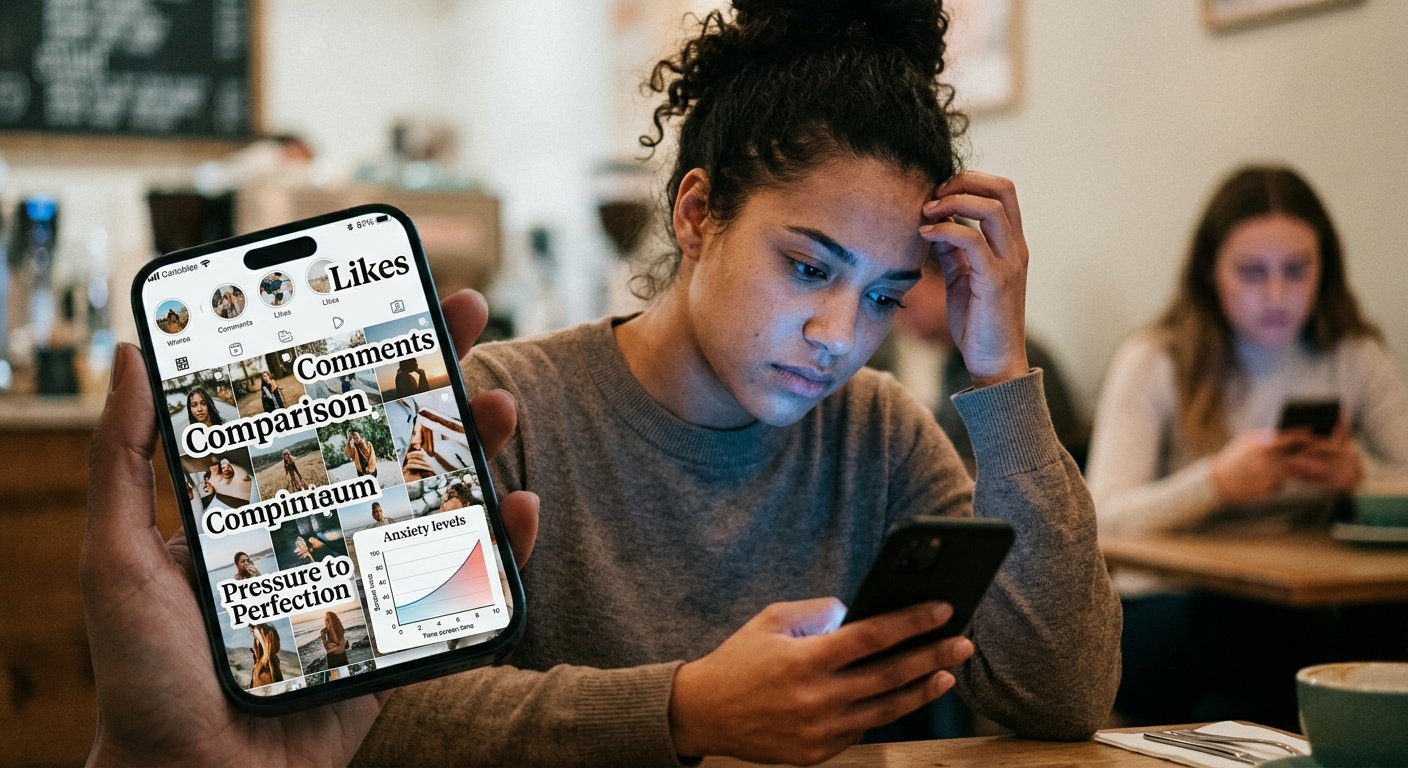
These difficulties are made worse by social media. Research shows that young women who use picture-based social media have a negative body image. Those who use social media frequently are 15–20% more likely to experience depression. Compared to people who use two or fewer platforms, those who use seven or more are three times more likely to suffer from anxiety and sadness.
Early Intervention Techniques
Early intervention has a significant impact, but many people wait too long. The average time between the onset of symptoms and the start of treatment is eleven years. This implies that a 14-year-old experiencing depression might not receive treatment until they are 25. Programs for mental health education are effective in lowering suicide rates and motivating individuals to get treatment.
Women’s mental health assistance is positively impacted by schools, communities, and youth-focused services that assist adolescents into adulthood.
Reproductive Years and Adulthood (26–45)
“Taking care of yourself is essential to being a good parent because it gives you the mental and physical stamina to care for your family. There are particular mental health issues that affect women in their prime adult years. Approximately 41% of women in the 26–29 age range suffer from mental health issues. Women’s mental health services are vital throughout this period of life since these difficulties arise when they attempt to manage several obligations that impact their wellness.
How Women’s Mental Health Issues Are Handled
Therapy, medication, lifestyle modifications, and social support are all possible forms of treatment.
Therapy aids in the processing of emotions, the development of coping mechanisms, the healing of trauma, and the modification of harmful patterns.
When necessary, medication can improve brain chemistry, lower anxiety, and stabilize mood.
Sleep control, exercise, diet, stress management, depression management, and deep connections are all examples of lifestyle assistance. Effective care is, above all, individualized. No one-size-fits-all solution exists.
Helping a Woman Who Is Having Mental Health Issues
Support entails listening to her without passing judgment, acknowledging her experience, promoting expert assistance when necessary, and providing helpful assistance rather than counsel or minimizing.
Frequently Held Myths Regarding Women’s Mental Health
Being mentally unwell is not a sign of weakness. It’s not “just hormones.” Every day, strong, powerful, and intellectual women deal with mental health issues, but with the correct help, recovery is achievable.
Therapy and Assistance for Women’s Mental Health Issues
Seeking treatment for women’s mental health problems entails treating the underlying causes and promoting long-term recovery. At Community Minds, we provide specialist services like postpartum depression telepsychiatry and women’s mental health telepsychiatry to customize care.
Methods of Therapy
- Cognitive Behavioral Therapy (CBT) aids in reframing and challenging negative thoughts.
- Dialectical Behavior Therapy (DBT): Develops interpersonal skills and emotional control
- ·Trauma-Informed Therapy: Prioritizes safety, trust, and empowerment
Health Care and Drug Administration
Antidepressants, anxiety drugs, or hormone-related therapies can help some women control their mood and symptoms. Our providers give individualized strategies and comprehensive evaluations.
Peer Connections and Support Networks
Online and in-person support groups for women Peer-led mental health programs and community gatherings Family-inclusive treatment for children, partners, or caregivers
Lifestyle Practices That Have an Impact
Frequent exercise and mobility to maintain a stable mood Diets high in nutrients that promote hormonal health Stress-reduction strategies, breathing exercises, and mindfulness.
Daily Advice to Promote Mental Health
- Exercise on a regular basis (target for 30 minutes most days).
- Consume nutritious foods and stay hydrated.
- Limit alcohol and caffeine intake.
- Maintain a consistent sleep routine.
- Engage in a relaxing practice like deep breathing or meditation.
- Spend time with loved ones and maintain social connections.
- Establish reasonable objectives to prevent feeling overburdened.
Conclusion
Throughout their lives, women encounter particular mental health issues. According to research, women are twice as likely as males to experience anxiety and despair. Every period of life has its own set of challenges, such as managing midlife transitions, juggling work and family obligations, and teenage body image concerns.
These gender-specific issues with women’s mental health are compellingly illustrated by the numbers. Common mental problems affect 26% of young women, and throughout their prime adult years, that number rises to 41%. 93% of women’s mental health is impacted by poor work-life balance; thus, focused help is essential.
Although these difficulties may appear insurmountable, there are practical answers. By reducing suicide rates and motivating more women to seek assistance, early intervention programs demonstrate genuine promise. 65% of women find that group-based cognitive behavioral therapy improves their ability to manage menopausal symptoms. Additionally, robust social networks guard against deteriorating mental health.
Frequently Asked Questions
1. What mental health issues are prevalent among women?
Depression, anxiety, stress, eating disorders, PTSD, and mood disorders are common problems.
2. Why do some mental health issues affect women more than men?
Risk can be increased by biological characteristics, life events, societal forces, and hormonal changes.
3. What symptoms indicate mental health issues in women?
Mood swings, excessive worry, low energy, difficulty sleeping, and social disengagement are some indicators.
4. How might women’s mental health be enhanced?
Exercise, self-care, social support, healthy habits, and expert assistance can all enhance mental health.
5. When should women get help for mental health issues?
When symptoms worsen, last for a long period, or interfere with day-to-day activities, women should get help.